Dental Crown Materials: How to Make the Right Choice for Your Smile
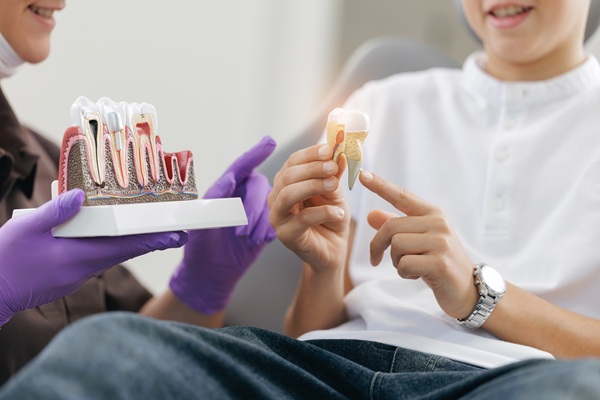
Do you need a dental crown? Dental crowns serve as protective covers for damaged or weakened teeth, restoring their strength and natural shape. There are a variety of materials available to meet your unique needs and help you smile with confidence again.
Porcelain-fused-to-metal (PFM) crowns
Porcelain-fused-to-metal (PFM) crowns have been used in dentistry for years. They combine a tooth-colored exterior with a metal base, balancing appearance with durable reinforcement. PFMs can show a faint gray line near the gum if tissue thins or recedes. In some cases, the porcelain may also chip over time, revealing the metal underneath. Fortunately, PFM crowns last almost as long as metal crowns and restore both front and back teeth.
All-metal crowns
All-metal crowns offer additional durability for the back teeth, which handle the majority of the chewing and bite forces. They adapt to the edges of the teeth and distribute forces evenly, prolonging their durability. They rarely chip or break and can handle years of wear without breaking down. Patients find that the metal feels gentle on the surrounding tooth enamel, reducing scuffing compared to harder dental crown materials. However, they do not mimic natural enamel. This design is why dentists typically place metal crowns in less visible areas, such as the back teeth.
All-ceramic or porcelain dental crowns
All-ceramic or porcelain dental crowns mimic the appearance of natural enamel more than other crown materials. They are also an ideal option for patients with metal allergies. Unfortunately, they are not as durable as metal or PFM crowns, making them more ideal for more visible teeth rather than for back molars, which require greater durability for chewing and breaking down food. These crowns are also not ideal for patients who clench or grind their teeth, as they are more prone to chipping.
Zirconia crowns
Zirconia provides a durable framework for a dental crown while providing the cosmetic benefits of porcelain. It is strong like metal crowns but is tooth-colored. It is also less likely to experience the wear and tear that naturally occurs in the crown over time, such as sharp edges on its surface. That said, zirconia crowns can sometimes cause additional wear on the surrounding tooth due to the hard material.
E-max (lithium disilicate) crowns
E-max dental crowns build on the cosmetic benefits of porcelain crowns with the strength and reliable bonding of metal crowns. It preserves more enamel because it can function at thinner dimensions. E-max matches the shade and brightness of the patient's natural teeth, which helps with transitions from the front teeth to the premolars. However, it does not match zirconia's design on the further back teeth and molars, particularly for patients who grind and clench their teeth.
Choose the right material for you
Do you have further questions about dental crown materials? The Interbay General Dentistry team is here to find the right crown to fit your functional needs and cosmetic goals. For more information or to schedule a consultation, call our Seattle office today.
Request an appointment here: https://interbaydentist.com or call Interbay General Dentistry at (206) 456-4486 for an appointment in our Seattle office.
Check out what others are saying about our dental services on Yelp: Dental Crowns in Seattle, WA.
Related Posts
Finding a high-quality dentist near me is the first step toward maintaining a healthy smile. This trusted professional can help ensure that you always have access to oral care services in the Seattle area. If you are currently searching for a reliable provider, the following guide provides a strategic selection process to help you find…
Dental veneers enhance the smile with a blend of beauty, efficiency, and durability. These thin shells bond to the front of teeth to correct chips, stains, gaps, and minor misalignment with precision. But like any dental treatment, there are some trade-offs to consider. Weighing the pros and cons of veneers can help patients decide whether…
Over time, individuals who wear dentures may experience a need for denture repair. The mouth changes, and normal wear and tear can occur, which often results in a need for a rebase or a reline. Individuals who have a damaged or broken denture should consult with a general dentist to determine what the problem is.…
There are risks associated with sedation dentistry, although most patients do not have any adverse effects. However, learning about the potential drawbacks to sedation dentistry, as well as the benefits, can help you decide if sedation dentistry is appropriate and safe for you to utilize. The most notable risks of sedation dentistry include an allergic reaction,…