Are There Any Safety Risks Associated With Sedation Dentistry?
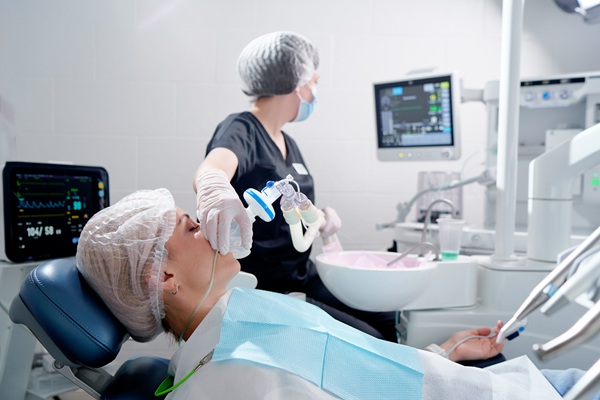
There are risks associated with sedation dentistry, although most patients do not have any adverse effects. However, learning about the potential drawbacks to sedation dentistry, as well as the benefits, can help you decide if sedation dentistry is appropriate and safe for you to utilize.
A review of the risks associated with sedation dentistry
The most notable risks of sedation dentistry include an allergic reaction, breathing trouble, heart complications and low blood pressure. The risks are minimal, however, and only apply to a small number of people. Dentists keep patients safe and limit the risks associated with sedation dentistry through proper screening and safe administering.
Allergic reaction
Perhaps the most notable risk of sedation dentistry is an allergic reaction. This is why it is important for the patient to disclose any known allergies with the dental team before sedation dentistry. If the patient has an allergy that is problematic, the dentist may recommend another type of sedative or a less invasive procedure that does not require sedation.
Breathing trouble
In rare cases, patients can have trouble breathing and shortness of breath following the use of sedation during a dental procedure. Sometimes this is more related to the procedure itself than the sedation, although the latter can contribute to difficulty breathing in certain situations. If breathing complications develop, it is important to notify the dentist or primary care physician.
Heart complications
Herat complications are listed as risks of certain types of sedation dentistry, such as general anesthesia. However, this is rare. It is not a serious cause for concern for most patients, although the risk may be higher in patients who have a history of heart disease or heart problems.
Low blood pressure
Some patients experience a drop in blood pressure during and after sedation dentistry. This could be troubling if blood pressure dips too low, although most instances of low blood pressure are not a major cause for concern and can be treated relatively easily. The dentist may monitor your blood pressure after sedation dentistry or provide instructions on how to do so yourself and what signs to watch for that indicate a more serious complication.
The benefits of sedation dentistry
The risks of sedation dentistry may seem scary, but it is important to remember that they are rare. For most patients, the benefits outweigh the risks. The benefits of sedation dentistry include less pain during treatment, less anxiety and reduced stress. It is also safe overall, and the effects of sedation dentistry wear off within a few hours after the treatment is complete.
Find out more about sedation dentistry today
Do you need dental work but are concerned about the associated risks? If so, we encourage you to reach out and schedule a visit with our friendly dental team. We put the safety of our patients first, and we can find the right solution for pain management during treatment to ensure that you are safe and comfortable during your visit with us.
Request an appointment here: https://interbaydentist.com or call Interbay General Dentistry at (206) 456-4486 for an appointment in our Seattle office.
Check out what others are saying about our dental services on Yelp: Sedation Dentistry in Seattle, WA.
Related Posts
Finding a high-quality dentist near me is the first step toward maintaining a healthy smile. This trusted professional can help ensure that you always have access to oral care services in the Seattle area. If you are currently searching for a reliable provider, the following guide provides a strategic selection process to help you find…
Do you need a dental crown? Dental crowns serve as protective covers for damaged or weakened teeth, restoring their strength and natural shape. There are a variety of materials available to meet your unique needs and help you smile with confidence again.Porcelain-fused-to-metal (PFM) crowns have been used in dentistry for years. They combine a tooth-colored…
Dental veneers enhance the smile with a blend of beauty, efficiency, and durability. These thin shells bond to the front of teeth to correct chips, stains, gaps, and minor misalignment with precision. But like any dental treatment, there are some trade-offs to consider. Weighing the pros and cons of veneers can help patients decide whether…
Over time, individuals who wear dentures may experience a need for denture repair. The mouth changes, and normal wear and tear can occur, which often results in a need for a rebase or a reline. Individuals who have a damaged or broken denture should consult with a general dentist to determine what the problem is.…